


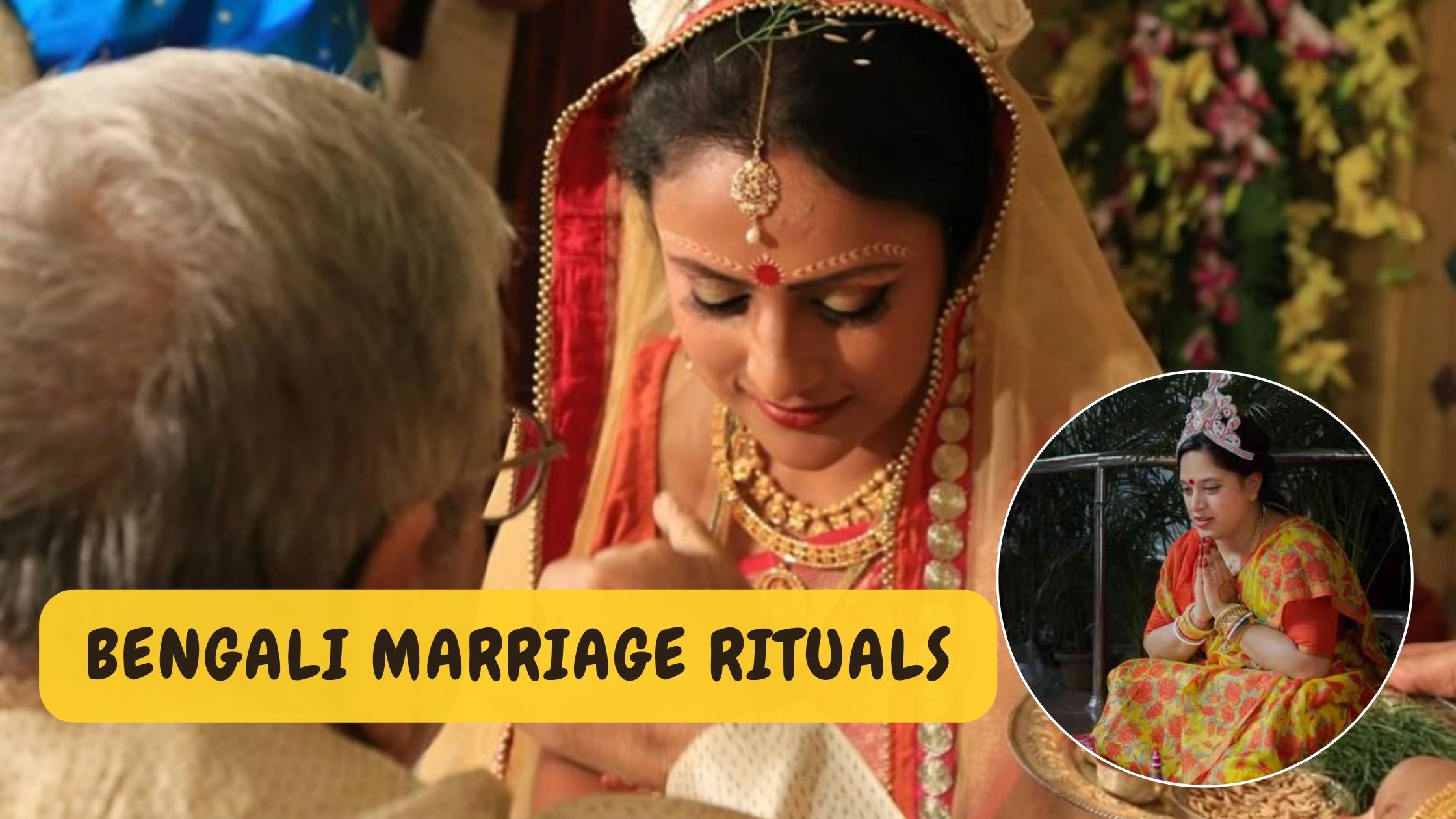
Bengali weddings are a mystical combination of culture, passion and colorful celebrations. All the rituals of a Bengali wedding have a profound symbolic depiction behind them of love, commitment, and marriage of two families. One of the most cultured and age old beauties of a Bengali wedding is the journey of Ashirbaad to Bashi Biye. Find here complete information about Bengali Marriage Rituals.
Bengali Wedding Rituals Table – Complete Overview with Roles & Descriptions
| S.No | Ritual Name | Stage | For Whom | Description |
|---|---|---|---|---|
| 1 | Ashirbaad | Pre-Wedding | Both | Blessings from elders with rice and durba grass for prosperity. |
| 2 | Aiburobhaat | Pre-Wedding | Both | Last bachelor/bachelorette meal in respective homes. |
| 3 | Adan Pradan | Pre-Wedding | Families | Exchange of gifts, clothes, jewelry between families. |
| 4 | Nandi Mukh | Pre-Wedding | Groom | Puja for blessings from ancestors. |
| 5 | Vridhi | Pre-Wedding | Both | Rituals for family heritage and purification. |
| 6 | Dodhi Mangal | Wedding Day (Morning) | Both | Sweet curd and puffed rice eaten early morning by bride and groom. |
| 7 | Gaye Holud | Pre-Wedding | Both | Turmeric paste applied to add glow and prevent evil. |
| 8 | Sankha Pola | Pre-Wedding | Bride | White and red bangles presented by maternal uncle, dipped in turmeric water. |
| 9 | Bor Boron | Wedding Day | Groom | Groom welcomed with aarti and sweets by bride’s mother. |
| 10 | Potto Bastra | Wedding Day | Groom | Groom receives ceremonial dhoti-kurta from bride’s family. |
| 11 | Saat Pak | Wedding Day | Bride | Bride encircles groom 7 times on a wooden stool while covering her face. |
| 12 | Subho Drishti | Wedding Day | Both | First eye contact between bride and groom symbolizing acceptance. |
| 13 | Mala Bodol | Wedding Day | Both | Exchange of flower garlands three times. |
| 14 | Samprodaan | Wedding Day | Both | Formal handover of bride to groom in Vedic ritual. |
| 15 | Yagna | Wedding Day | Both | Sacred fire ceremony with mantras symbolizing union. |
| 16 | Onjoli (Anjali) | Wedding Day | Both | Offering puffed rice into fire together as prayer for prosperity. |
| 17 | Saptapadi | Wedding Day | Both | Couple takes seven vows and steps together (optional in some families). |
| 18 | Kusumdinge | Wedding Day | Bride | Bride walks over alpana with flower, marking transition into married life. |
| 19 | Sindoor Daan | Wedding Day | Groom to Bride | Groom applies sindoor on bride’s forehead and gifts saree. |
| 20 | Bidai | Post-Wedding | Bride | Emotional farewell from bride’s home; rice showered backward. |
| 21 | Badhu Boron | Post-Wedding | Bride | Bride welcomed at groom’s home with alta footprints and aarti. |
| 22 | Boubhat | Post-Wedding | Bride | First meal cooked by bride, receives gifts, and a reception follows. |
| 23 | Phool Sajya | Post-Wedding | Both | Couple’s room decorated with flowers; first night together. |
| 24 | Kobi Patta | Post-Wedding | Groom | Bride’s brothers block room entry until groom gives a gift—fun ritual. |
| 25 | Bashor Jagga | Post-Wedding | Both | Overnight celebration with songs, games; couple stays awake. |
| 26 | Bashi Biye | Post-Wedding | Groom | Next morning, groom reapplies sindoor; concludes rituals with prayers. |
In this in-depth guide we are going to show you 26 traditional Bengali rituals for marriage step by step, including what both the bride and the groom need to do, the modern adaptations, cultural significance, and the answer to most of your questions. So let’s delve deep into knowing more about Bengali Wedding Rituals from start to end:
Pre-Wedding Rituals
1. Ashirbaad (Holy Ceremony)
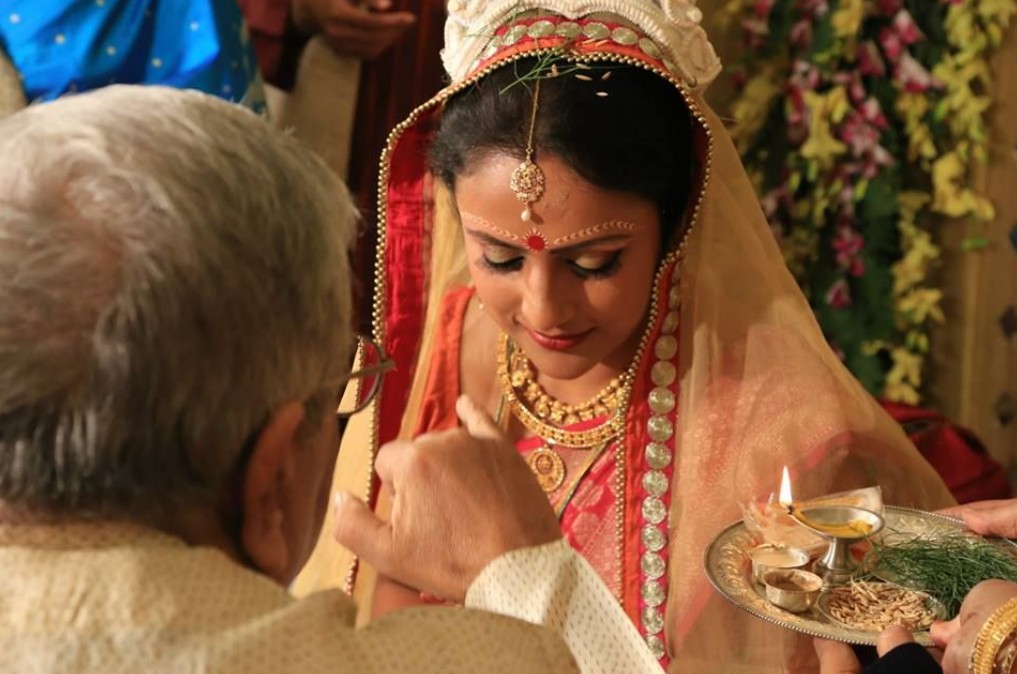
This is whereby the elders give their approval over the match. Both the families visit one another to bless the bride and the groom. They are sprinkled with dhaan (rice) and durba (grass), this is taken to be a sign of prosperity and long life.
2. Aiburobhaat (Bachelor/Bachelorette Meal)
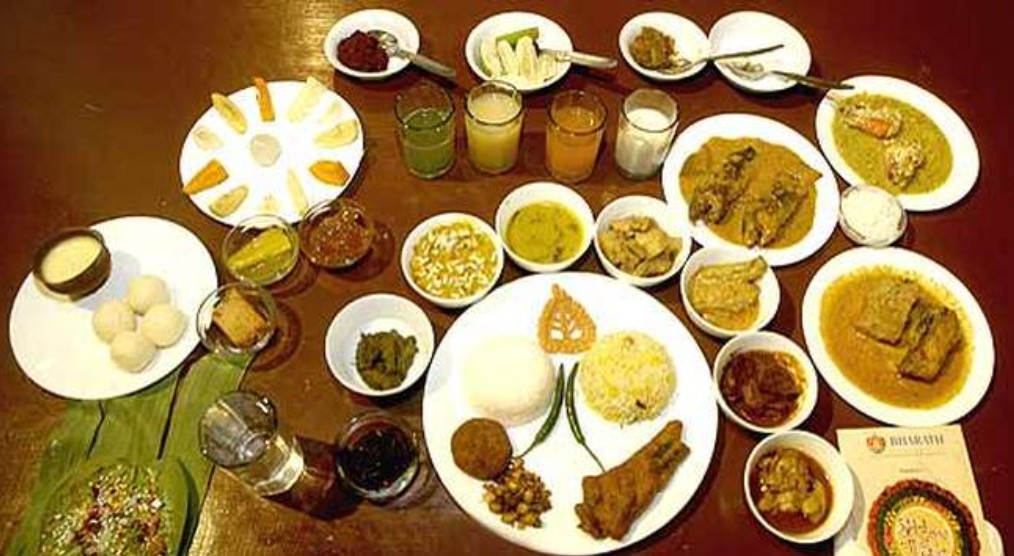
The buffet is called Aiburobhaat and it is the final dinner the bride and groom will eat in their respective households before becoming married. Their families prepare elaborate Bengali meals of rice, fish, sweets and fruits to feed them with love.
3. Exchange of Gifts (Adan Pradan)
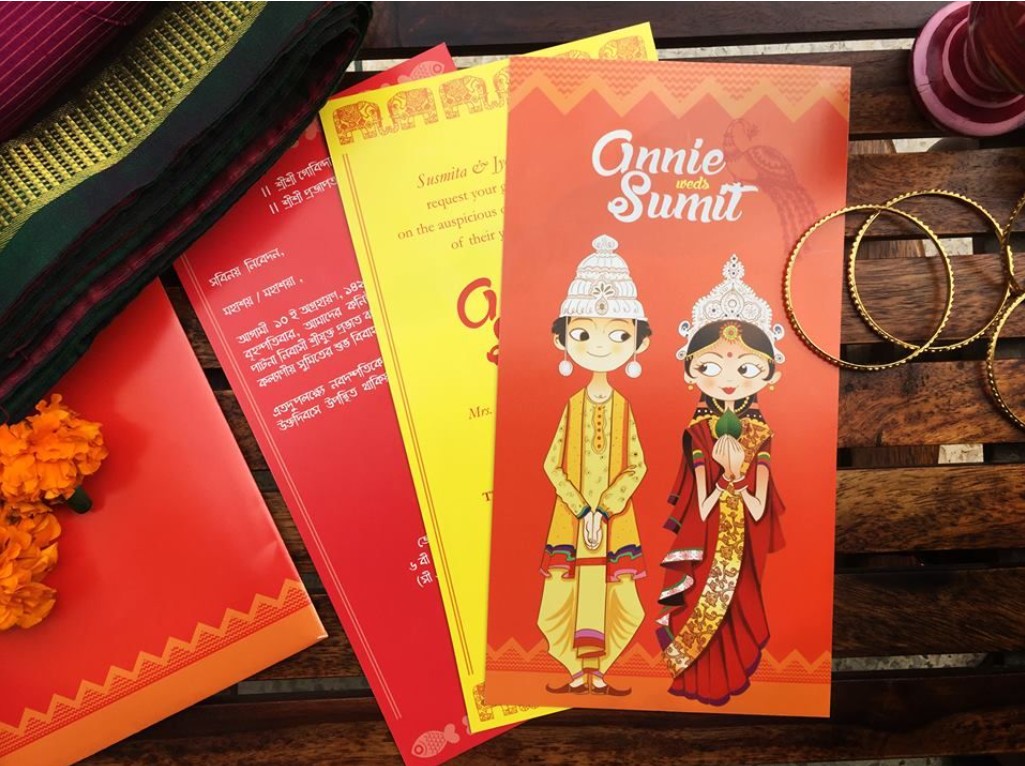
The families are giving gifts, clothes, jewels, and candy with the priest in the presence. This ceremony represents the acceptability of the marriage alliance as well as the merging of the two families.
4. Nandi Mukh
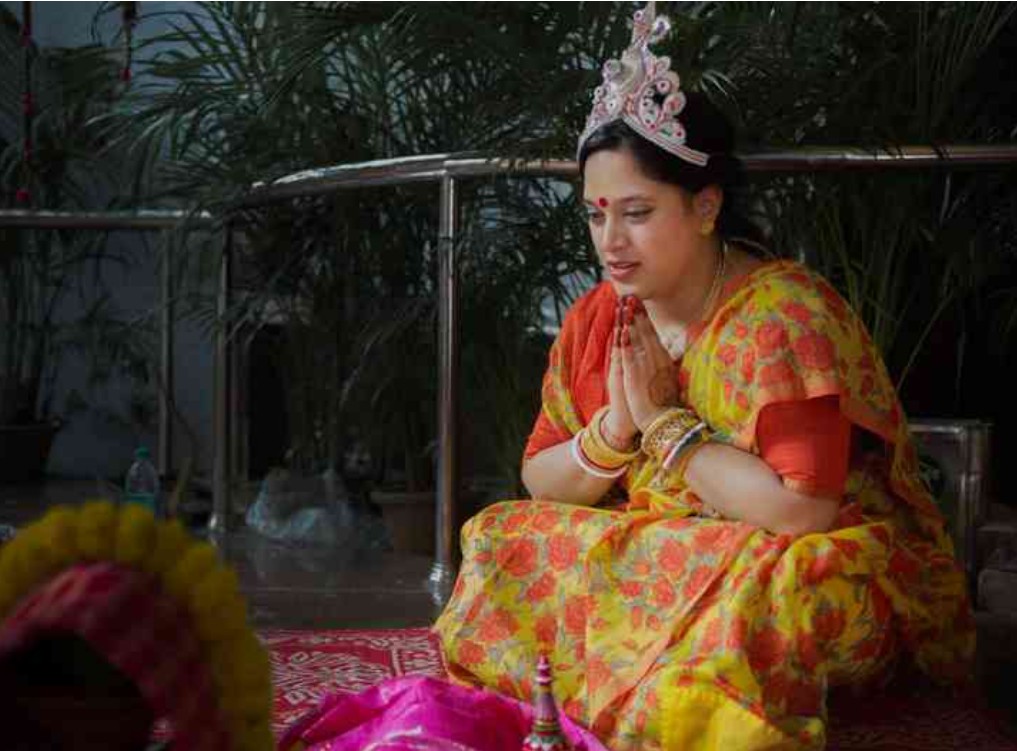
This puja is carried out on behalf of the ancestors to get blessings of the forefathers in order to start the wedding ceremony. It is mostly performed at the house of the groom.
5. Vridhi
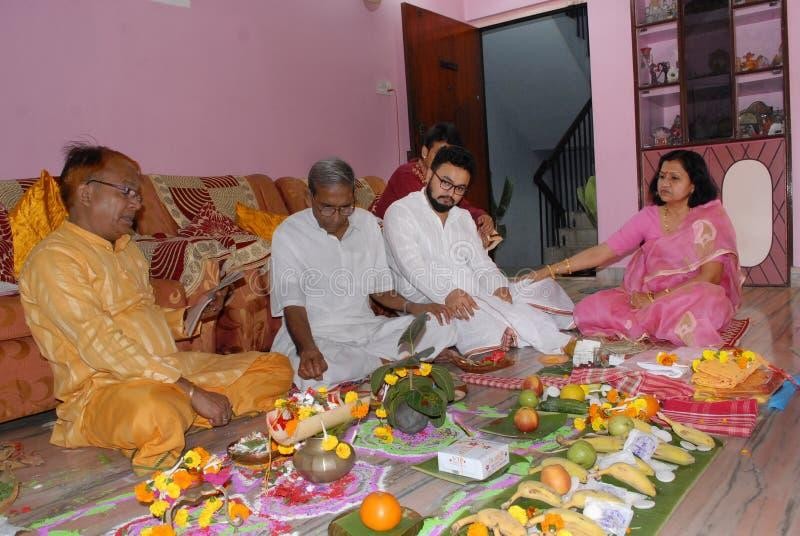
It is a type of puja where one of the family members performs rituals on behalf of the bride or groom to invite family heritage to the family. It is also practiced so as to purify the households.
6. Dodhi Mangal
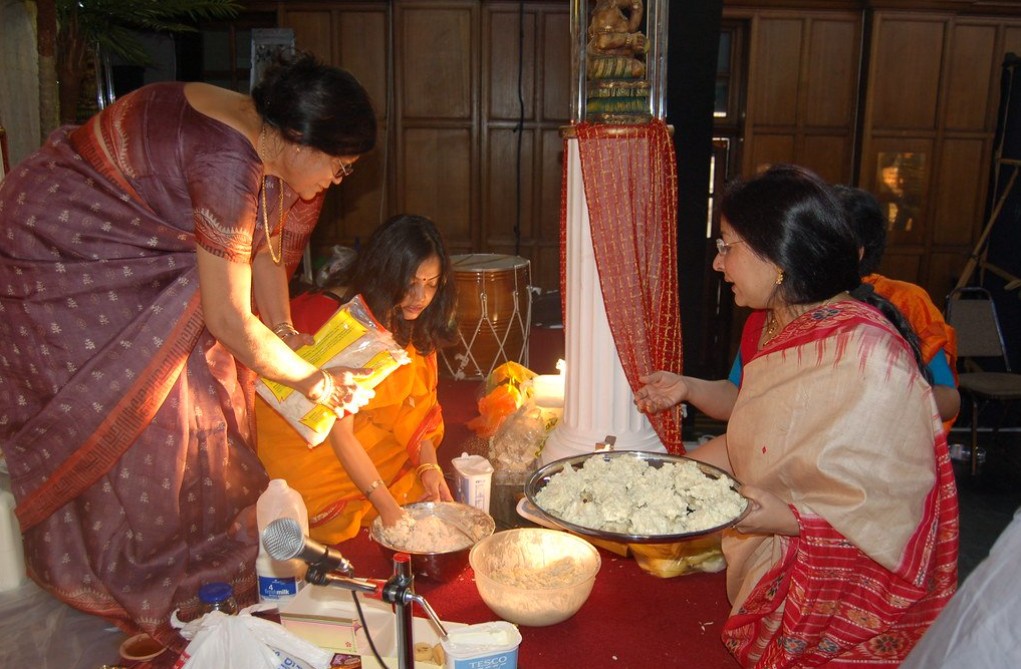
On the day of the wedding, at day break, the bride and the groom are given something to eat which is a special meal, that of sweated curd and puffed rice. Subsequently, they avoid eating until the wedding formalities are done.
7. Gaye Holud (Haldi Ceremony)
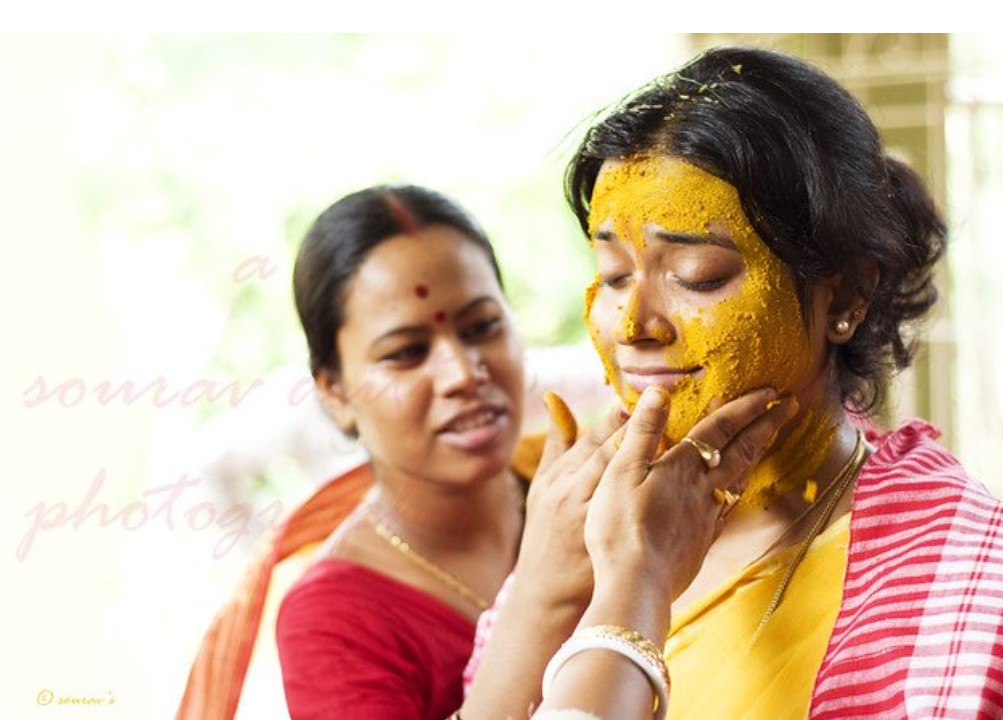
It is a colorful ritual in which turmeric paste is rubbed on the bride and groom at their homes. Women who are married smear turmeric to add the glow to the skin and to prevent evil spirits.
8. Sankha Pola (Shankha Porano)
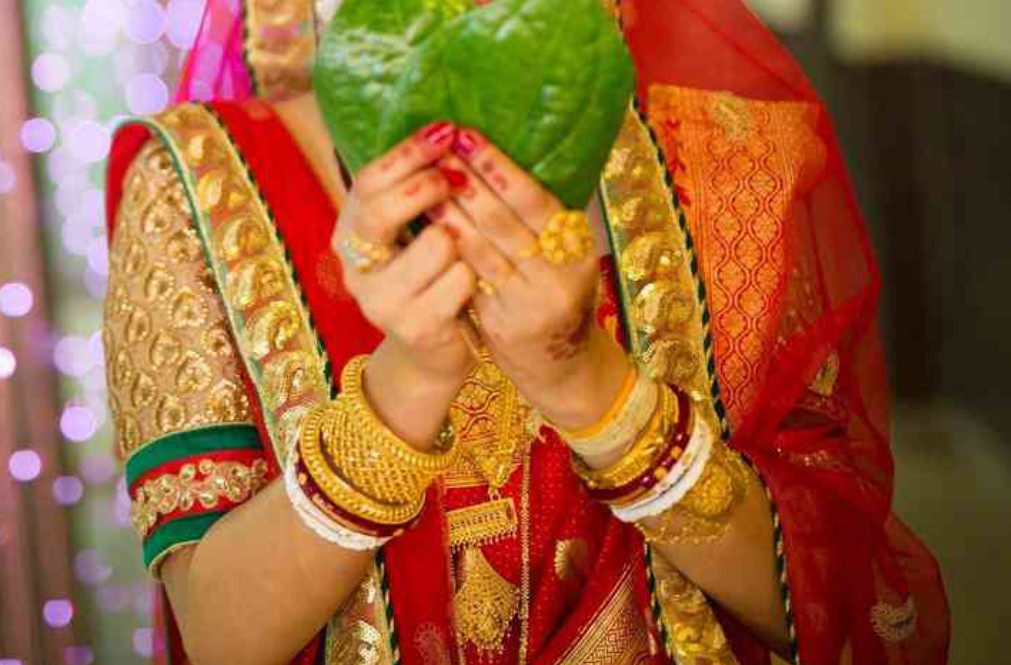
Traditional white shankha (conch shell) and red pola (coral) bangles depict the romantic status of the bride. Her mother’s side uncle presents these and they are dipped in turmeric water prior to wearing.
Rites of Wedding Day
9. Welcoming the Groom Bor Boron
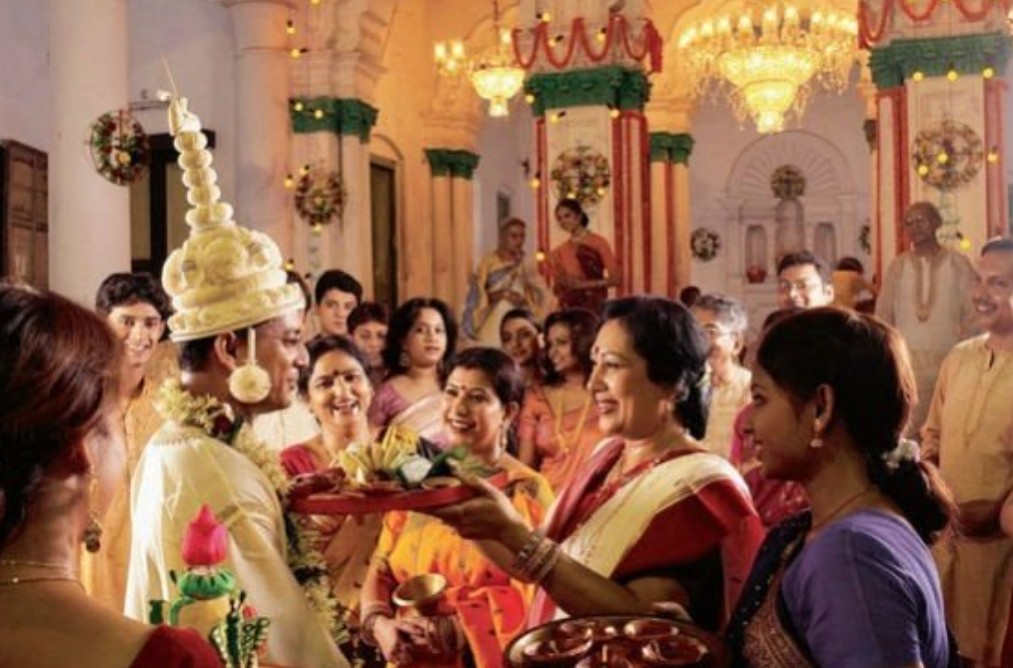
When the groom comes with the Bor jatri (wedding procession), his mother in law welcomes him by offering a baran dala (plate consisting of rice, lamp and sweets). She does a little aarti around him blessing him and letting him in.
10. Potto Bastra
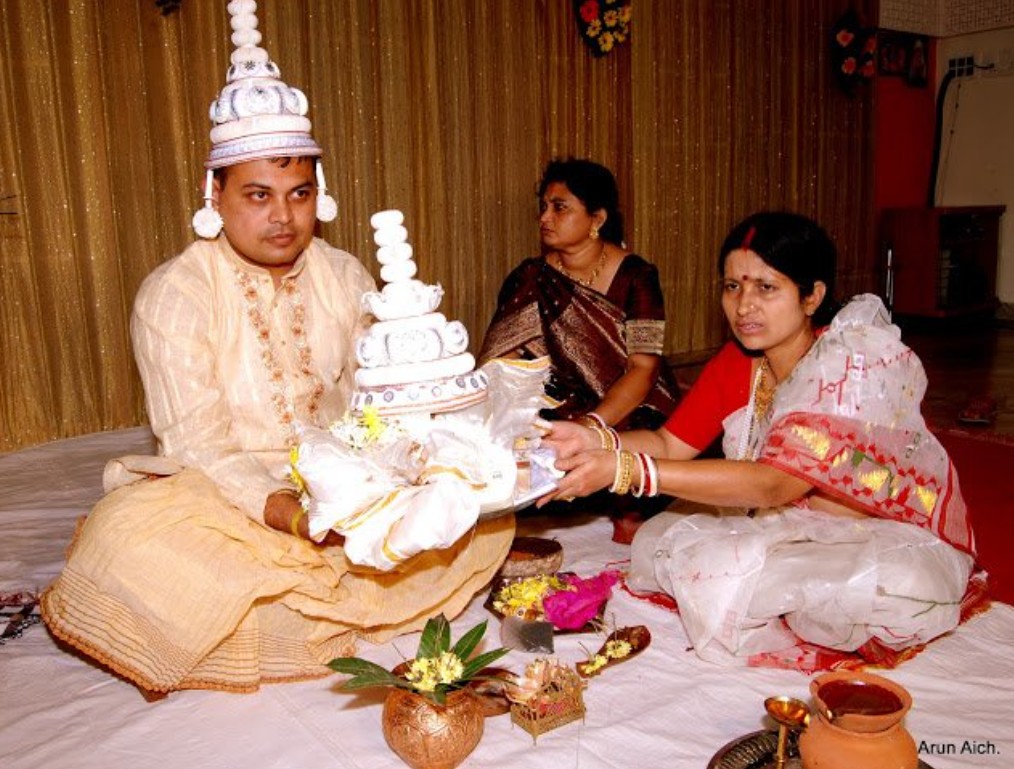
The bride’s family takes the groom to the mandap where they provide new clothes to him (normally a silk dhoti and kurta). These are regarded as sacred clothes and these clothes should be worn in the wedding rituals.
11. Saat Pak (Seven Circles)
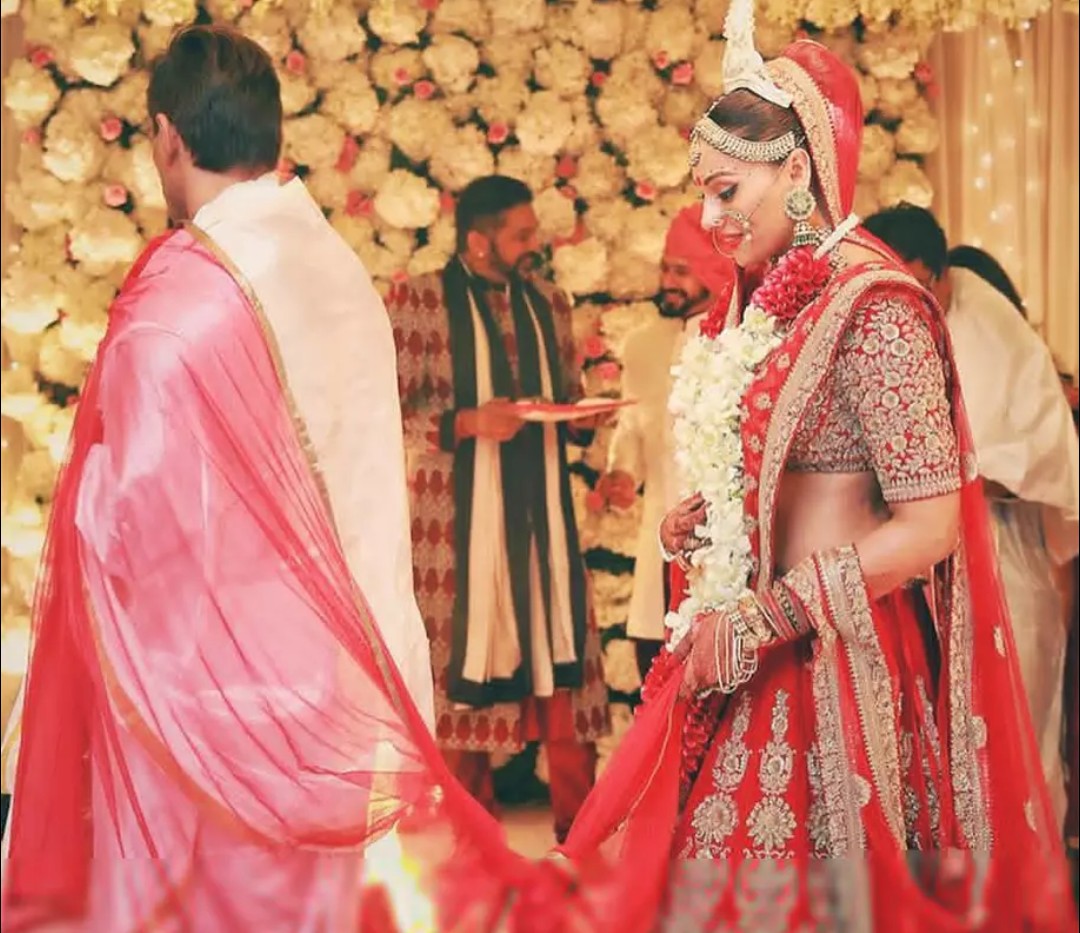
The bride sits on a wooden stool (Also known as piri) and is carried by her brothers. She surrounds the groom seven times as she wraps her face with leaves of paan. This is the mystical arrival of the bride.
12. Subho Drishti
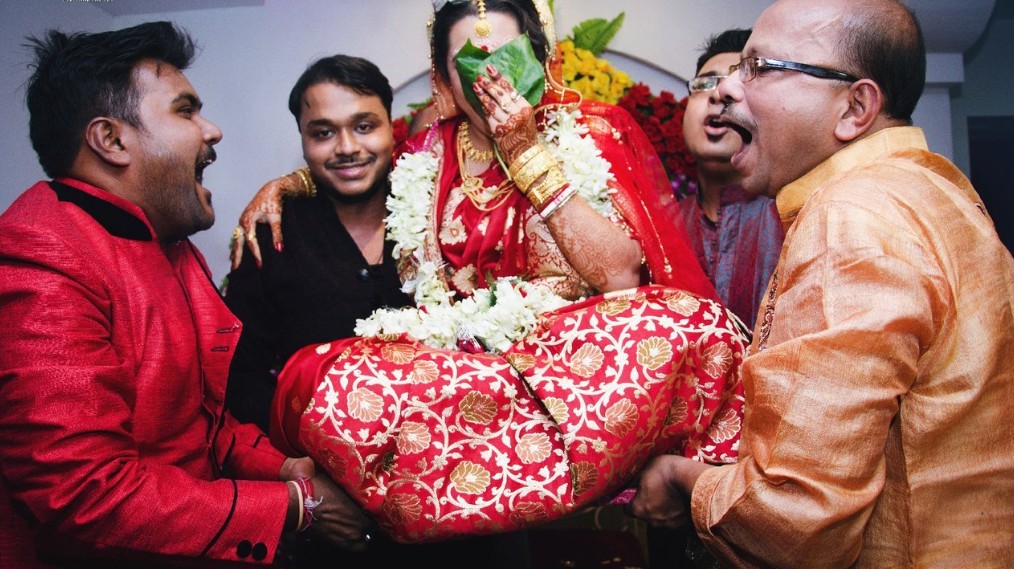
After the saat pak is over it is time the bride reveals her face. The bride and groom gaze in each other’s eyes openly which is a symbol of love and acceptance of each other.
13. Mala Bodol (Garland Exchange)
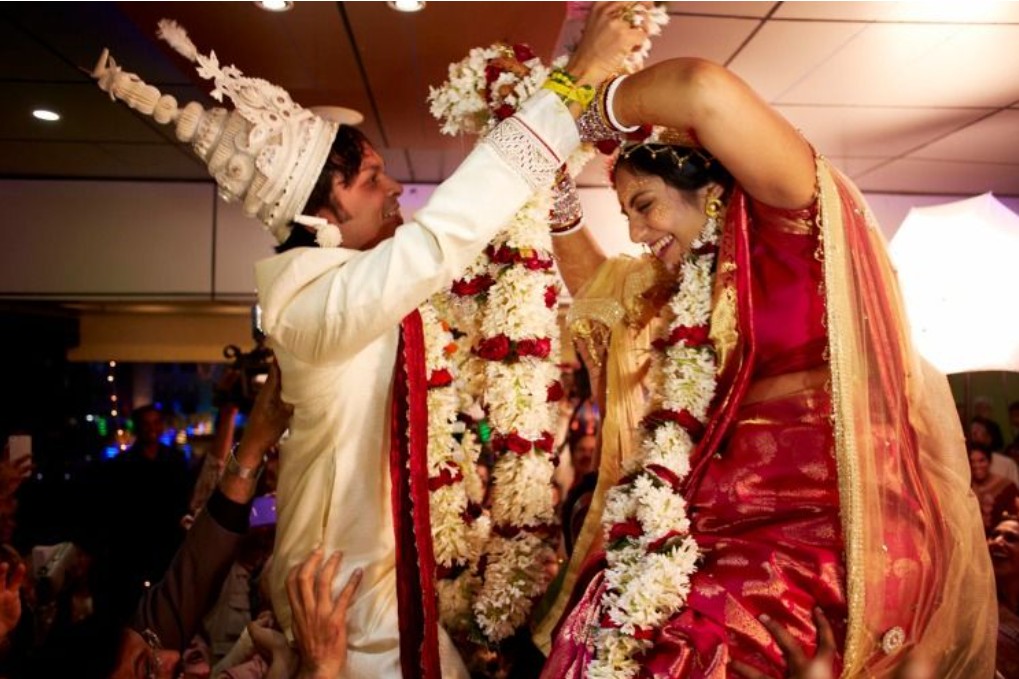
The wedding couple tie floral garlands three times. It appears as a humorous and important act which reflects an acceptance and the start of their trip together.
14. Samprodaan
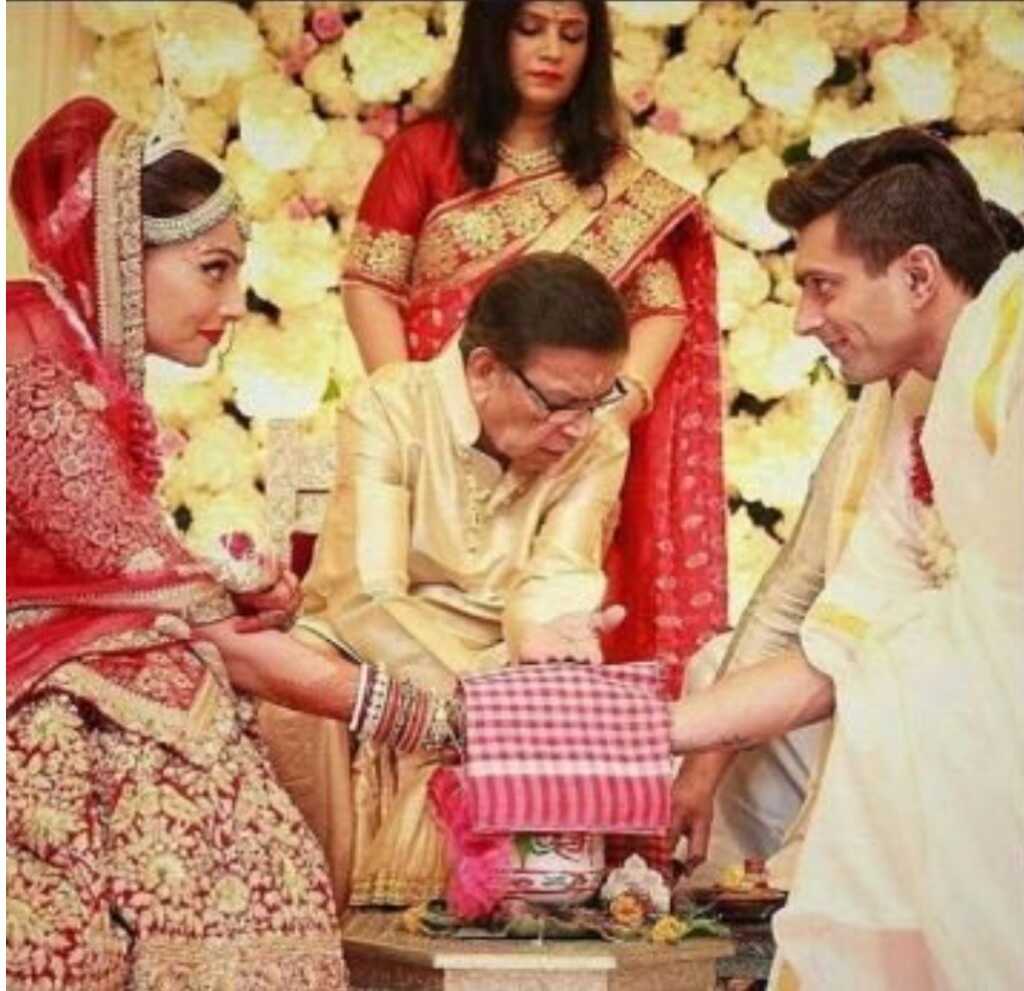
It is the formal ceding of the bride by the father or a guardian. The bride and the groom are made to bind themselves with a divine contract by the uttering of Vedic mantra by the priest who places the hand of the bride in the hands of the groom.
15. Yagna (Sacred fire Ceremony)
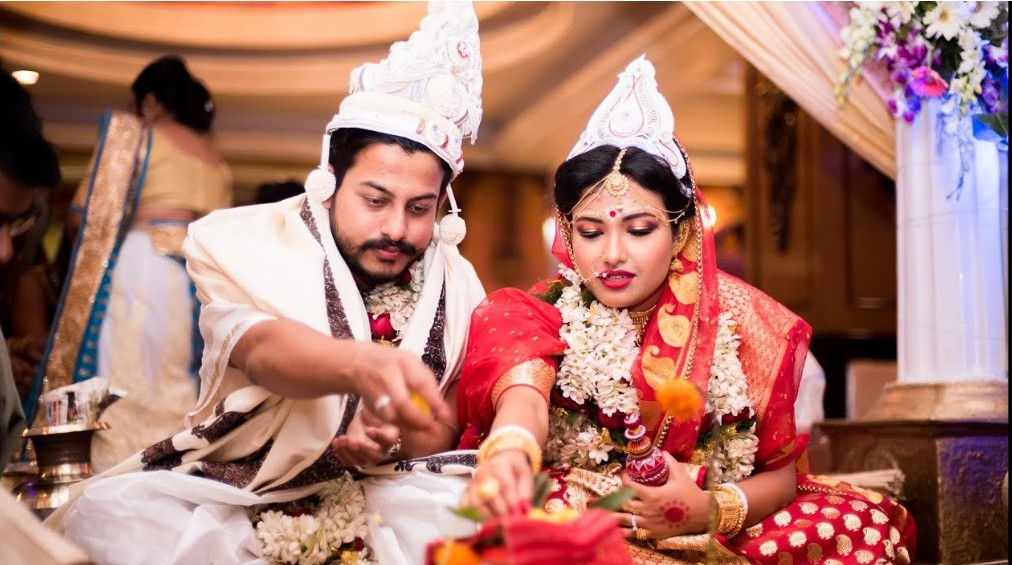
A sacred fire is lit and the couple is seated around that fire and the priest recites mantras. The yagna can be attributed to divine witnessing to the union as well the pledge of fulfilling their duty.
16. Onjoli (Anjali)
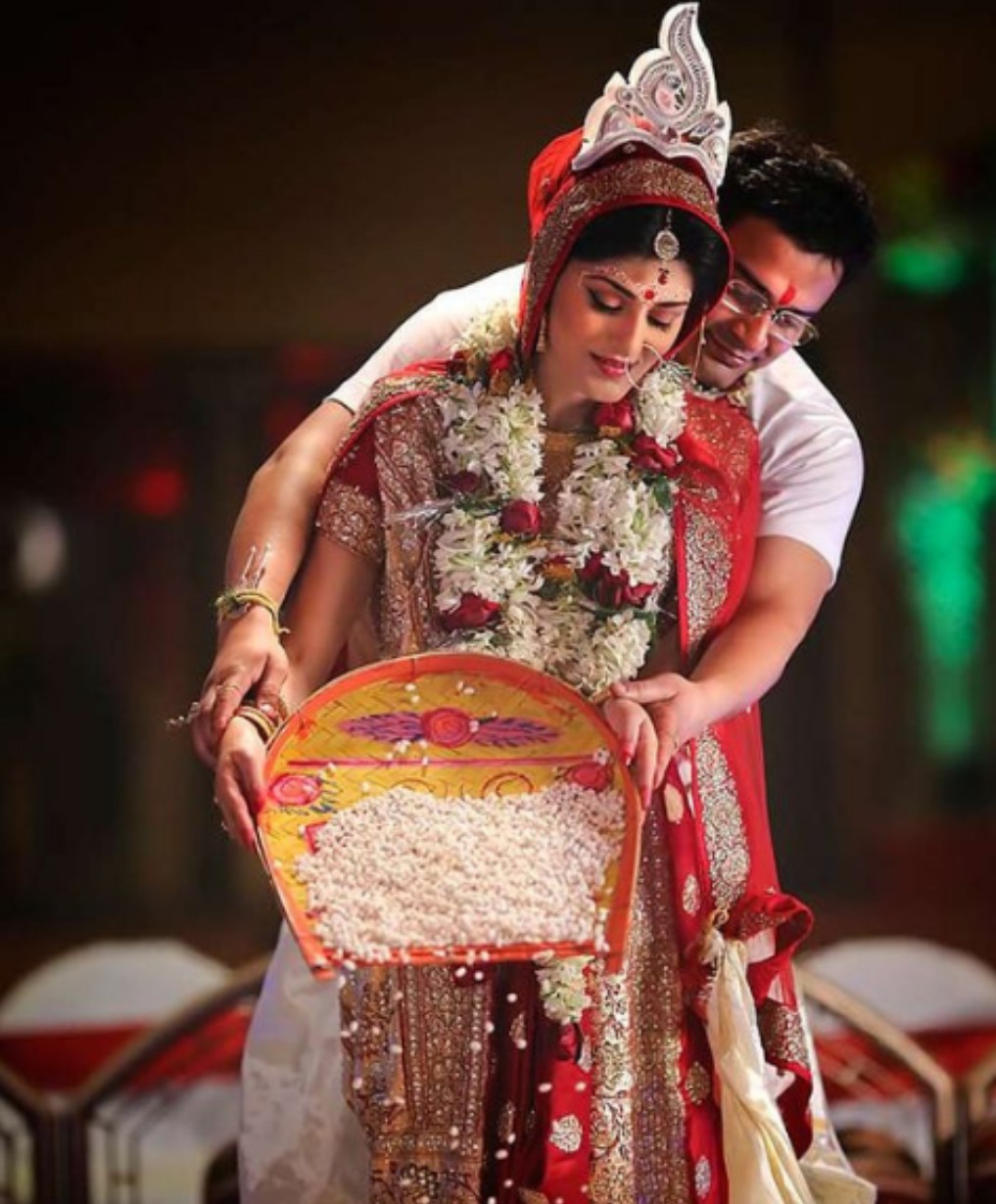
Puffed rice (khoi) is put into their bridegroom’s hands and the groom assists her in putting the rice into the fire. This is an action, which signifies a first shared prayer about prosperity and happiness.
17. Saptapadi
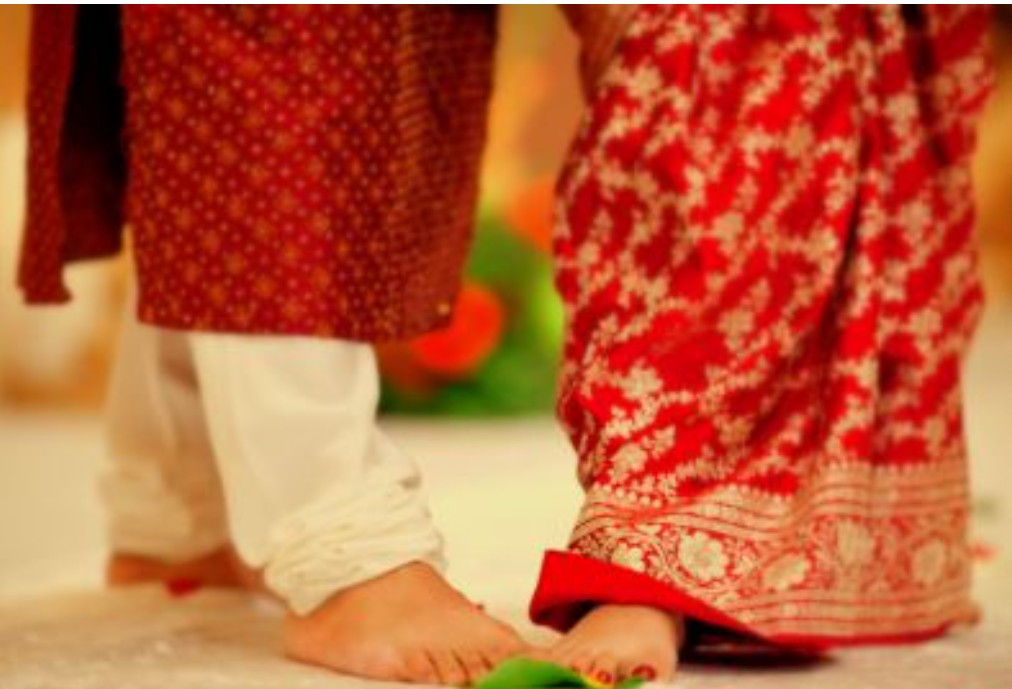
Again, not every Bengali wedding has it but some families take part in Saptapadi, a ceremony of seven steps which the couple takes together and take seven oaths of love, respect, and companionship throughout their lifespan.
18. Kusumdinge
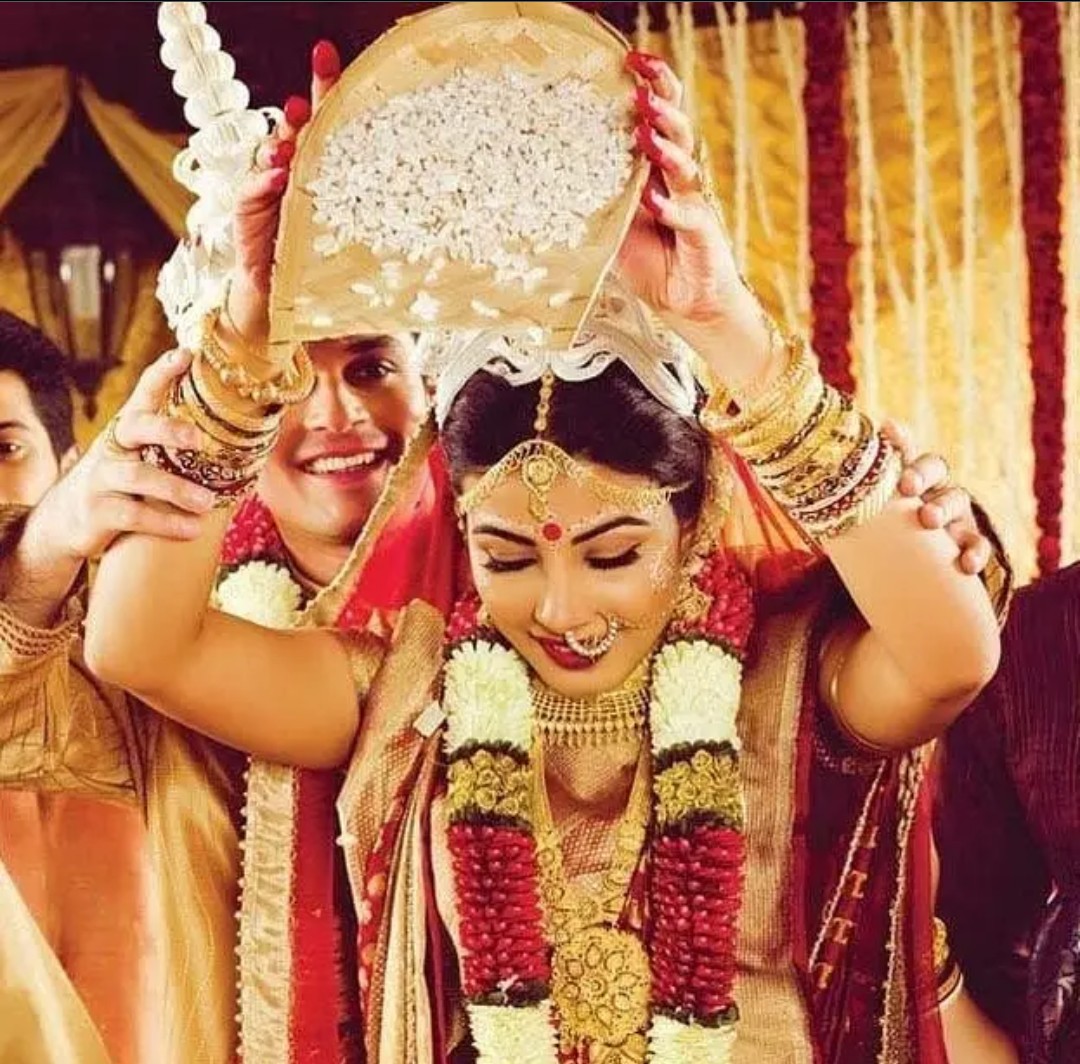
The bride moves on alpona (traditional floor designs) holding a kusum (flower) in her hand and walks towards the sacred fire. This constitutes a ritual of getting into a married life.
19. Sindoor Daan
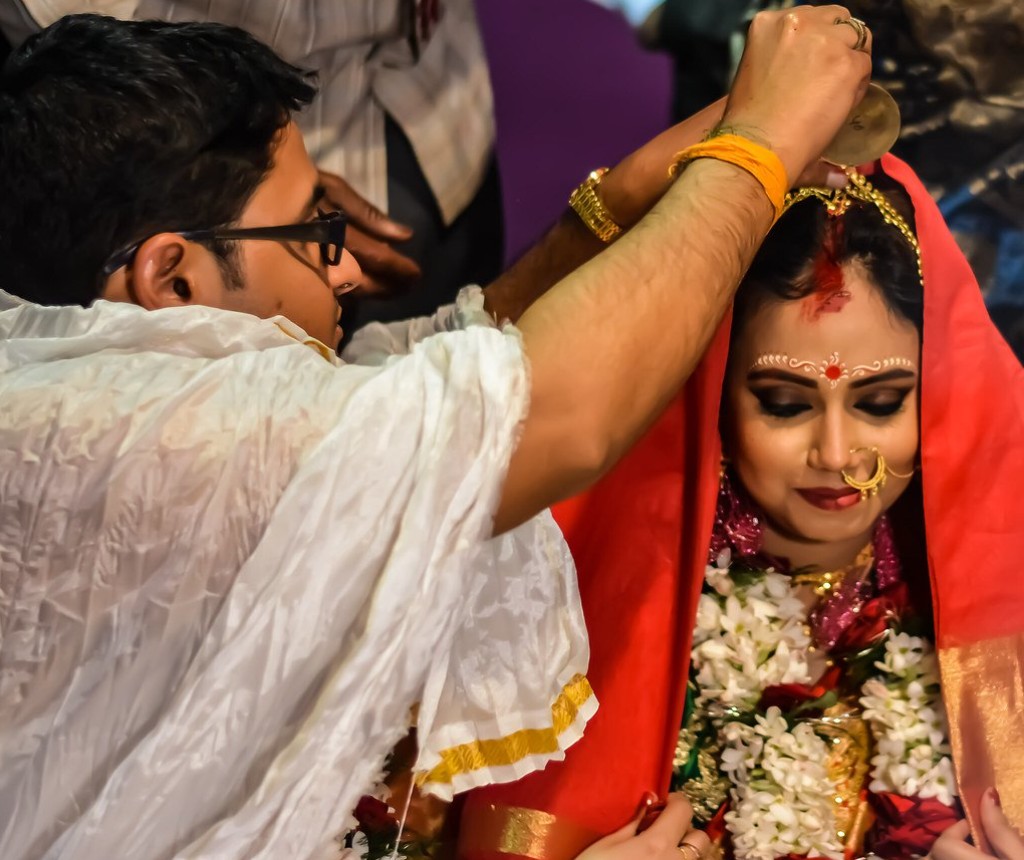
This is an emotional ceremony whereby the groom ties sindoor (vermilion) on the hair parting of the bride in an official wedding ritual. A new saree which in most cases is given by the bridegroom’s family is then wrapped over the head of the bride.
Post-Wedding Rituals
20. Bidai (Farewell)
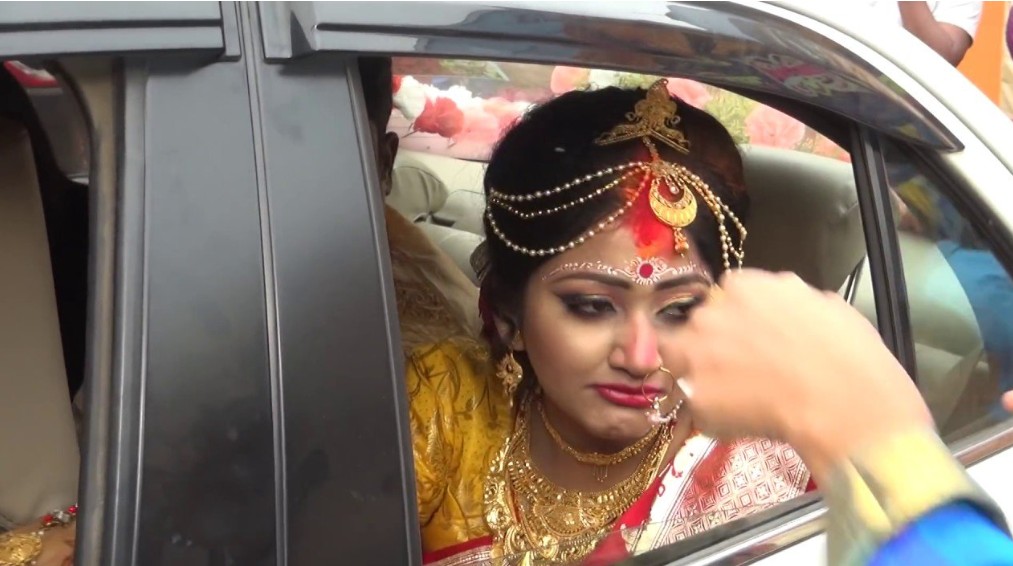
Bidai is the most emotional stage of the Bengali rituals after marriage as this is when the bride leaves her parental home. Rice is showered on the shoulders expressing gratitude to the family and wishing prosperity to them.
21. Badhu Boron
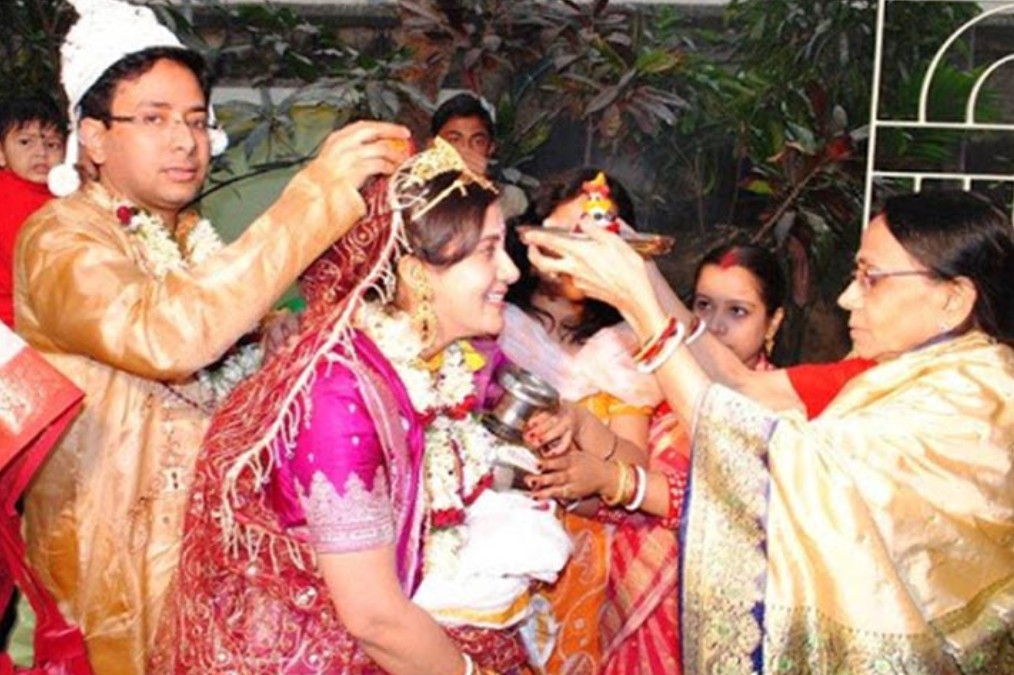
When the bride arrives at the house of the groom mother-in-law greets her with a borondala. She enters home with red footprints after she steps into a plate filled with alta (red dye).
22. Boubhat
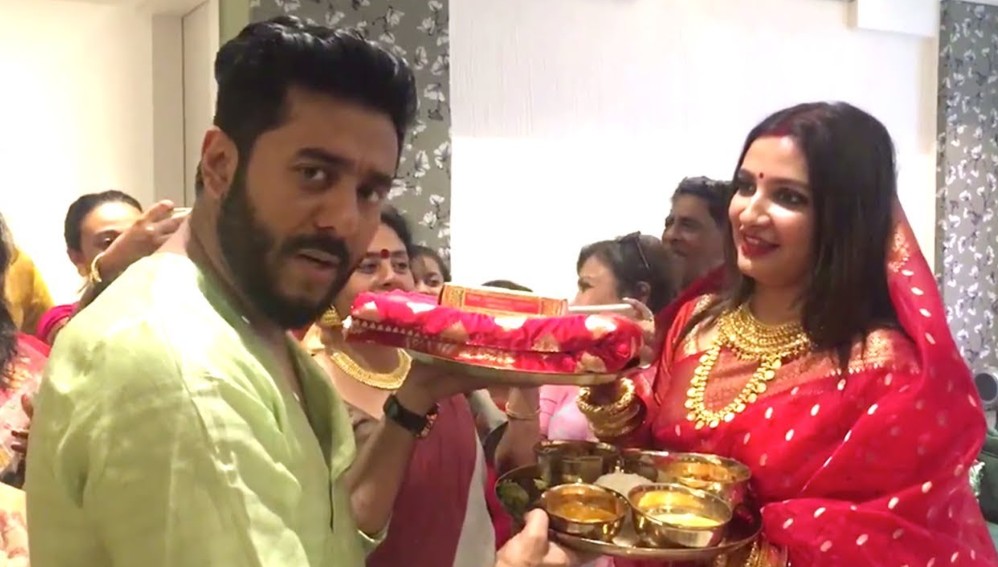
On the following day, the next meal is prepared by the bride in order to signify that she is ready to take up domestic responsibilities. She, in turn, receives gifts on the part of her in-laws. There is also a formal reception whereby the groom presents his bride to the extended family.
23. Phool Sajya
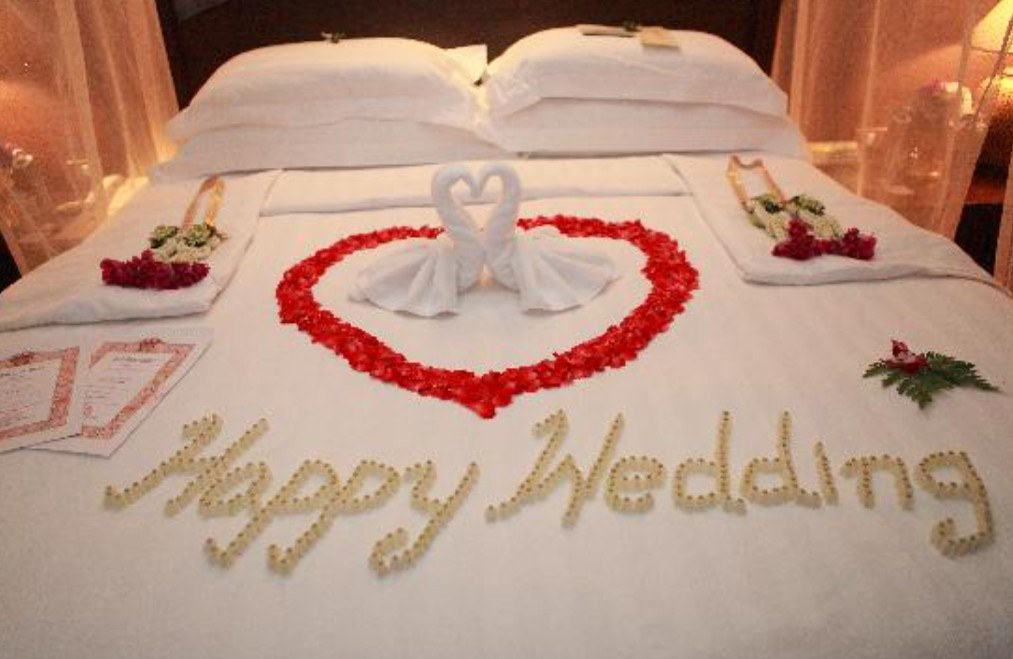
New flowers are used in decorating the room of the couple with special emphasis being given to jasmine. It is their initial night as a couple.
24. Kobi Patta
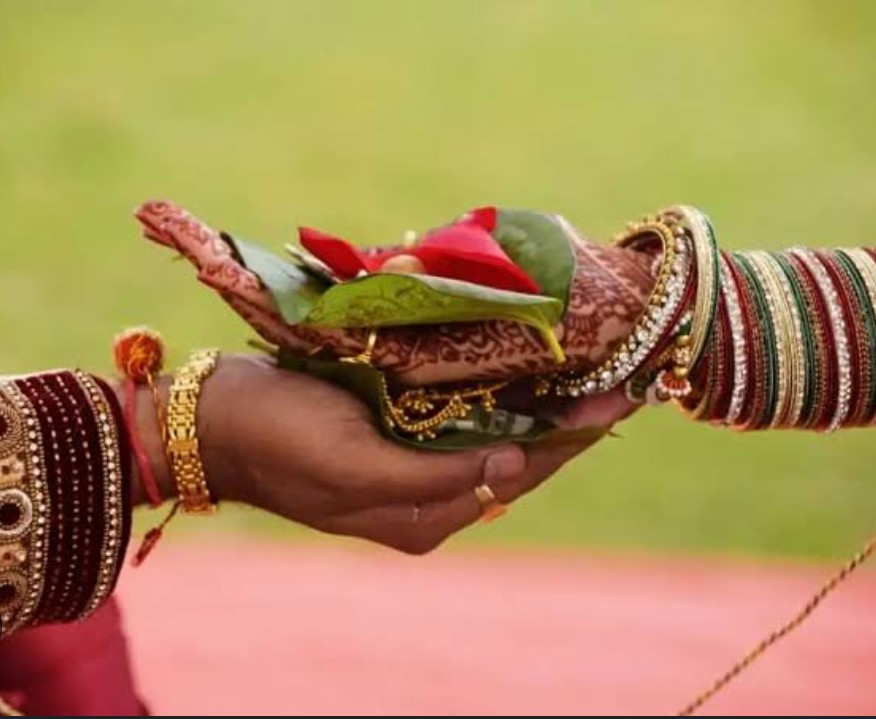
A humoristic post wedding ceremony in which the brothers of the bride attempt to prohibit the entrance of the groom to the room, until a present is given. It is a fun way of creating bond within the families.
25. Bashor Jagga
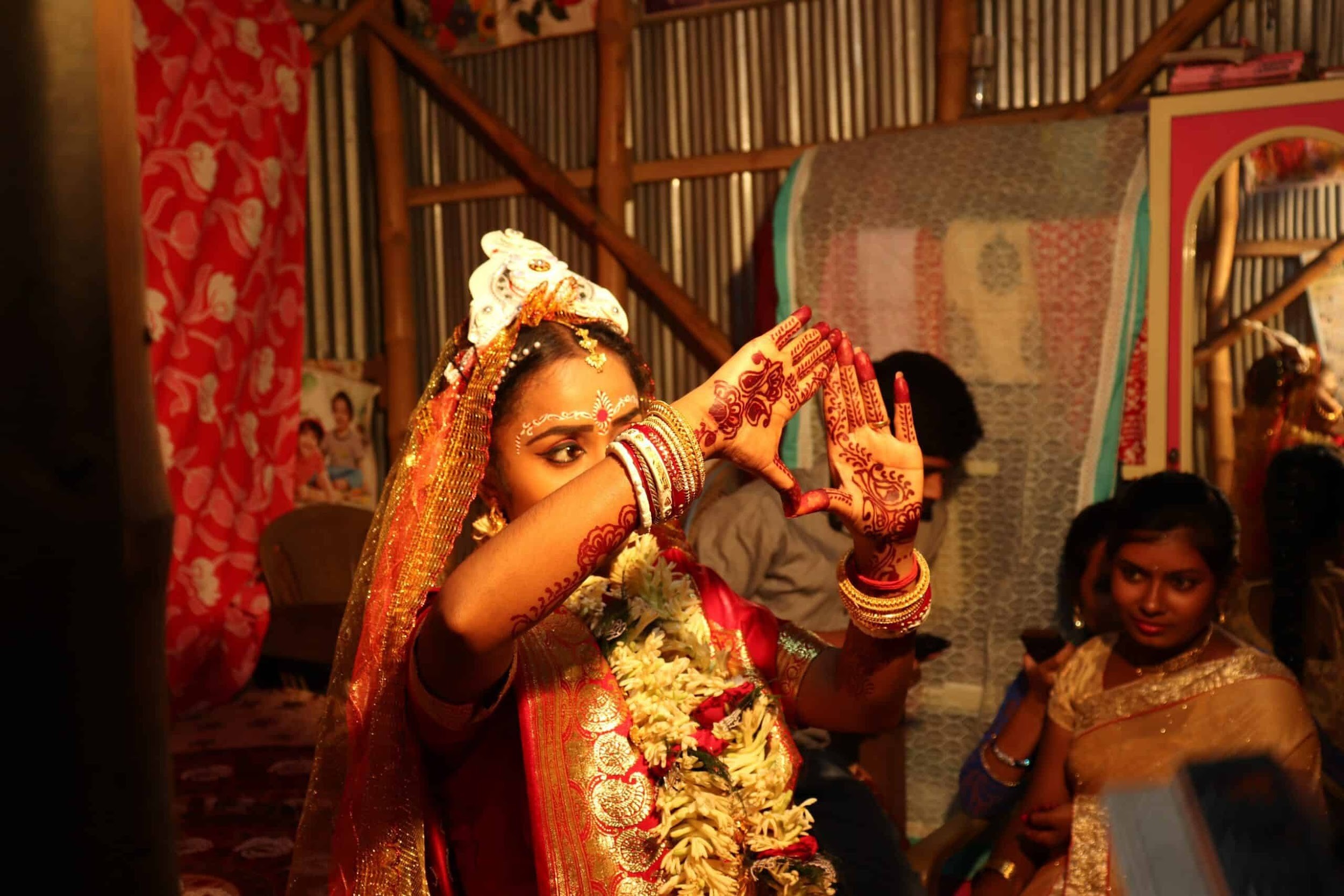
This is a party that goes through the night and the friends and relatives dance, sing and play games. The Bride and groom do not sleep but are instead challenged to have fun before they begin their new life.
26. Bashi Biye
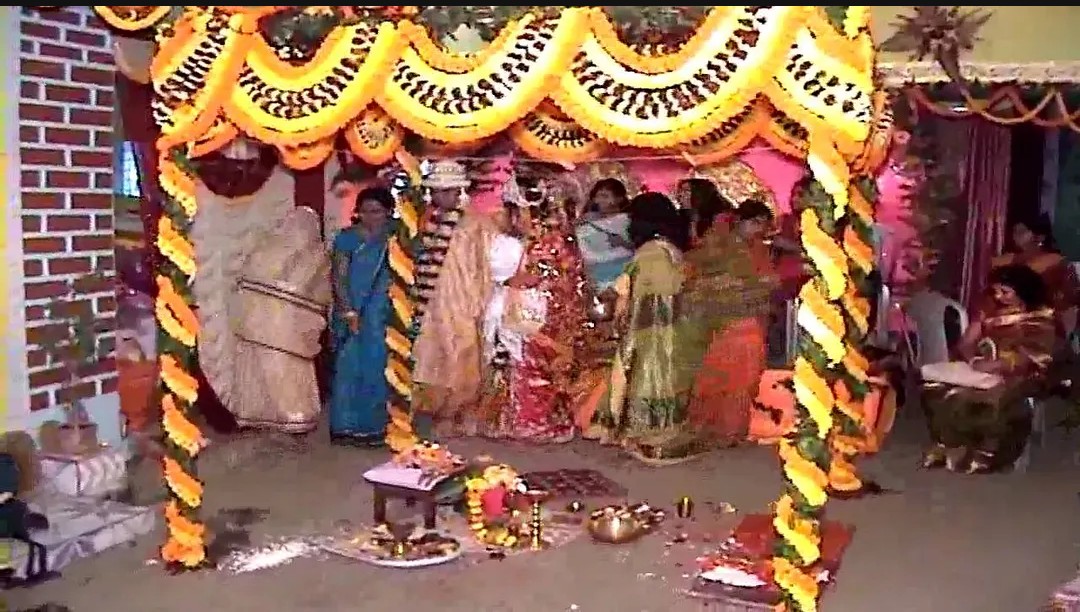
The morning after the wedding, the groom puts back the sindoor on the bride again and strengthens the marital relationship between them. This is followed with some additional prayers and rituals.
Bengali Rituals in the Modern Days
Nowadays, a high proportion of Bengali weddings are innovative mixed with culture. The traditional ceremonies are upheld but newer ones such as choreographed sangeet, themed mehendi or destination weddings are on the rise. Others even settle on ecological weddings which have fewer ceremonials, and court marriages that are accompanied with ceremonial parties afterwards.
Wedding Rituals among Muslim Bengalis
The culture of the Muslim Bengali weddings, although still containing cultural elements, vary in the ways that the rituals are carried out. The Vedic rituals are substituted by the Nikah. Before a Qazi, the groom and the bride sign a marriage contract. The traditional aspects such as Gaye Holud and Mehendi are also celebrated but with the Islamic blessings. The official marriage is held in the form of the Walima (reception) in the family of the groom.
Final thoughts:
Bengali wedding customs are not merely ceremonial, they are a lovely relationship of love, devotion and heritage. As much as you can do everything traditionally, or adding a modern touch to it, the thing is that it is the fun of two families uniting in a celebration. We hope this guide will help you to know more about the Bengali wedding rituals and cultures so if you need Bengali marriage rituals step by step in Bengali please let us know and we will be happy to provide you with the”বাঙালি বিবাহের নিয়ম”.
FAQ:
What can be described as the Bengali wedding ceremony?
Customary ceremonies form part of Bengali wedding traditions prior and subsequent to the marriage, and even within the marriage, and they are in rhyme with uniting two souls, as well as two families.
In English, what is the Bengali wedding Kaal Ratri?
Kaal Ratri is the night of the wedding after which the couple is barred from meeting each other as a symbol of waiting to live together as a married couple.
Bengali Saptapadi ritual What is saptapadi in Bengali?
The ceremony is saptapadi, another symbolic ceremony of the bride and the groom taking seven steps together, each vowing to be a part of a marriage.
What is Saptapadi during a Bengali wedding?
In Bengali weddings, Saptapadi is the way of commitment between the couple by taking seven rounds around the fire.
What are the 7 steps of saptapadi?
The seven footsteps are pledges of sustenance, power, wealth, affection, children, health and a lifetime relationship.
How are the Bengali weddings arranged?
These are organized in a sequence, namely: pre-wedding rituals, wedding day ceremonies, post-wedding rituals.
What steps should be followed to do a traditional marriage?
Begin with worship, proceed with pujas and other rituals such as Gaye Holud, Mala Bodol, Sindoor Daan and conclude with Bidai and Bashi Biye.